

Golfing World According to Grant Moolman
Second Hand Golf Balls
The golfing industry is multi-billion, if not trillion, dollar industry, ranging from professional sportsman, golf courses (Private and Public), golf schools, equipment producers, equipment suppliers, amateur and occasional golfers, multiple middlemen (as with all industries) to the second hand golf ball sellers both formal and informal. I’m no marketing guru like our very own Stutter Putter, but I have been playing the game a lot longer and my feeling is that the competition within the golfing market is at an all-time high. There might not be many new entrants into the golfing market but the competition between the traditional brands such as Titliest, Taylormade, Ping, King Cobra, and with a lesser history Nike has continually increased as the squeezing of margins, especially during tough economic times, and the human nature (akin to the nature of J Bombers brethren) of looking for the best available deal has decreased the profit margins. This competition has seen the major brands increasing the frequency of club launches and revolutionising the game through innovation. With most brands releasing new Top-of-the-range clubs, all endorsed by your favourite professional, on a much more frequent basis (at least once a year for most brands), which was certainly not the case when I started playing the game. Now with all the innovation and products which are brought to market, it begs the question what happens to the second hand clubs which get tossed aside and more importantly for this article, what happens to all the second hand balls?
The idea for this article stemmed from a photo posted by our shrinking Chairman “Jimmy” which was taken while driving home and spotting an “informal” second hand golf ball seller with the pink “Believe” golf balls which some of our fellow tour members so generously donated to the course.

- Second Hand Golf balls sold on the street
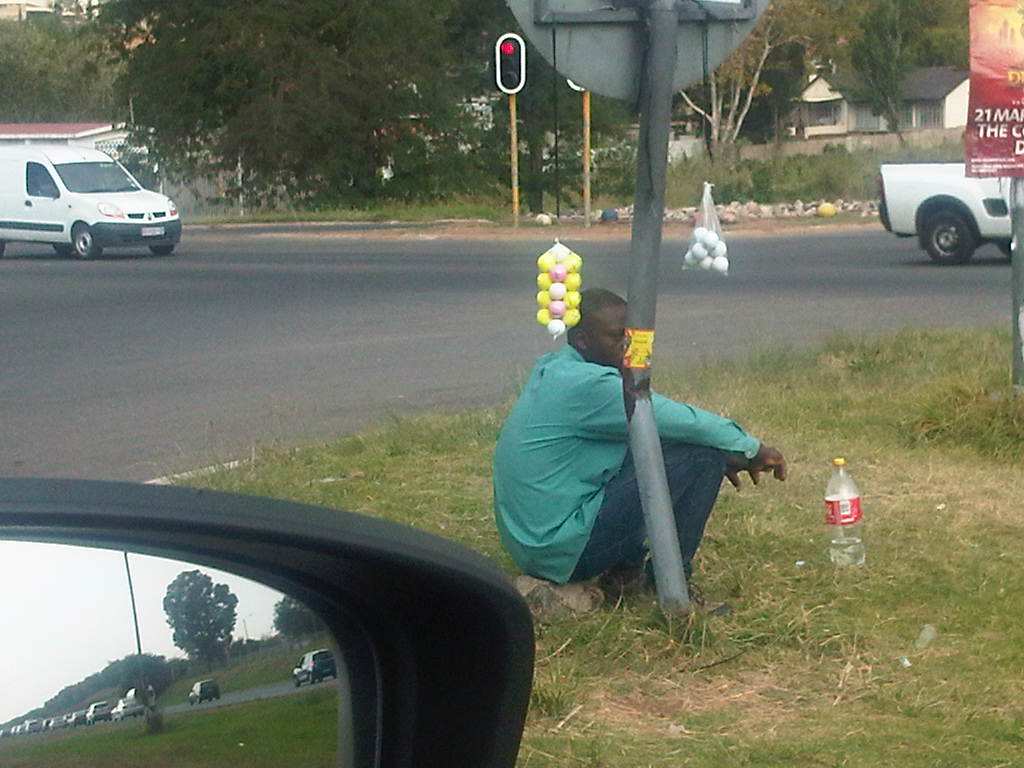
Now the use of “informal” second hand golf ball seller is a bit of a misnomer for me, as to be honest for most of my golfing career these were the only source of second hand golf balls outside of the Golf Club’s Pro-shop, who bought the golf balls from these “informal” sellers and were merely acting as a middleman. However, with the innovation in golf ball technology, the golf ball industry has continued to get more expensive and has resulted in an increase in the golfer looking to buy mint condition golf balls, generally referred to as one hit wonders, for a fraction of the original price. As economic theory would have you believe, with the increase in demand for these cheaper top of the range golf balls (I have heard that some even eagerly search for driving range balls at a steal but I’ll take a ‘Mulligan’ on disclosing names for the purpose of this article) so should the supply of these said golf balls increase to meet the market demand.
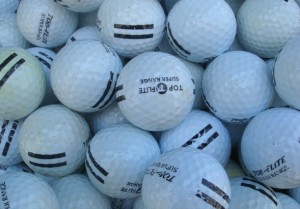
- Ball of choice of a selected Tour member
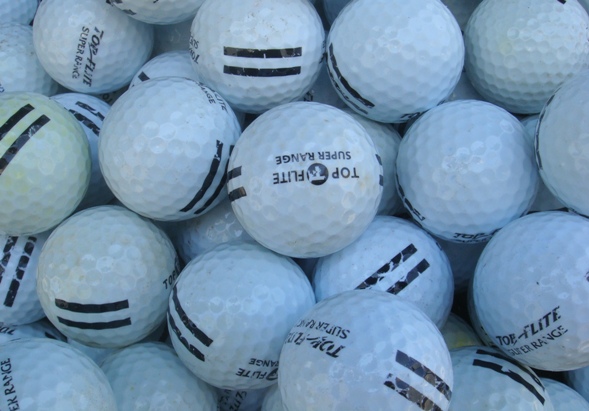
Now, all of you who have had the pleasure of playing a round of golf will know that I enjoy a casual hunt for a lost golf ball every now and then. I have an uncanny ability to locate the ball of my playing partners yet the ability to find my own ball is still somewhat lacking. Ball retrievers have been developed to allow us to pick balls out of the water while numerous ideas have been discussed on the tee-box ranging from glowing lights and beeping golf balls to GPS type locators to limit one from loosing there precious balls. This brings up two important questions about second hand golf balls:
- How far would someone go to get hold of lost golf balls.
- Does the use of second hand golf balls impact your game.
1) The hunt for this “white gold” seems to be a very hot topic in America at the moment, with the risks that one is willing take to get hold of these used balls increasing to a level where people are willing to risk there lives. Early last year an article was a published on businessweek detailing the arresting of four individuals for stealing golf balls out of the ponds on their local golf courses.
Some articles have reported that some divers dive on average about four times a week retrieving on average 4,000 golf balls a day and earning up to $100,000 a year. The golf ball divers are not without worry with most of them having to contend with murky waters which are infested with venomous snakes and alligators. Numerous fatalities are reported in a year but with the potential of earning sizeable incomes from a couple hours of diving, the number of people entering this “profession” is alarming.
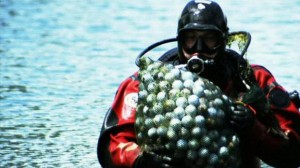
- It can be a lucrative industry

The video in the link below, details the average day of a golf ball retriever.
http://www.youtube.com/watch?v=lJM71-DbIF0
So how far would you go to get hold of used golf balls?
2) I have not performed any controlled statistical testing but I was able to come across an article which did exactly this.
(http://www.thehackersparadise.com/forum/showthread.php?19624-Used-golf-balls-vs-Brand-new-golf-balls)
From personal experience second hand golf balls has never severely affected my golf game, and this seems to be backed up by the article posted in the link above. Controlled testing indicated no statistically significant impact on the distance that one gets from using a second hand golf ball relative to a new ball. Whether it impacts other elements such as roll, spin and launch will also need to be considered but for most amateur golfers distance traveled is probably the most significant factor. No body sits at the 19th hole and discusses the length that one spins the ball back or the amount of roll they get on their clubs but rather the distance that one hits a specific club from a specific position.
So, with the many second hand golf balls stores popping up in South Africa, will you continue to pay the premium for a ball that you get to hit first and potentially only once or buy second hand golf balls and thank the idiot that paid the premium and only hit it once.
If you like what you have read in the golfing world according to Grant, follow him on Twitter.